
Cyber-resilient infrastructure for transport operators
Industrial computers, secure network gateways and operator terminals for depots, control centres and connected vehicles. We do not protect a single box — we design a controlled chain from the field to headquarters.
- Vehicle → depot → VPN → control centre
- VLAN segmentation
- Legacy RS-232/485
- Pilot first
Who this is for
The region is investing heavily in metros, rail, ports, airports and logistics hubs. Each of them relies on physical sites, networks, operational systems and mobile links that must work as one manageable infrastructure — often across hundreds of kilometres of desert.
Transport is named in Gulf critical-infrastructure and OT cybersecurity frameworks, but not every transport or logistics company is automatically in scope. Whether a framework applies depends on the activity, size and role of the organisation — confirm yours with a legal or compliance specialist.
Nine points where transport infrastructure usually breaks
Many remote sites
Depots, offices and service points with different providers, equipment and levels of control.
Mixed network zones
Admin systems, operations, CCTV, staff and guest Wi-Fi on one flat network.
Mobile telemetry
GPS and 4G/5G links from field systems over infrastructure that is not always there.
Legacy interfaces
RS-232/RS-485 devices and equipment that cannot all be replaced at once.
Vendor access
Uncontrolled remote desktop, shared accounts and permanent tunnels into critical systems.
Loss of connectivity
Outages to dispatch, ticketing and telemetry systems with a direct operational impact.
Harsh physical conditions
Sand, heat above 45°C, vibration and unstable power far from an office environment.
Limited visibility
Scattered logs, unclear inventory and late detection of problems at remote sites.
Need for local operation
Critical operations must continue in a controlled way when the central link is down.
A specific model for a specific role
N3161 at headquarters and large depots, N1241 at smaller depots and branches, IBOX edge gateways for field equipment, ITPC-A113 as the operator terminal and N3322 for station information displays.
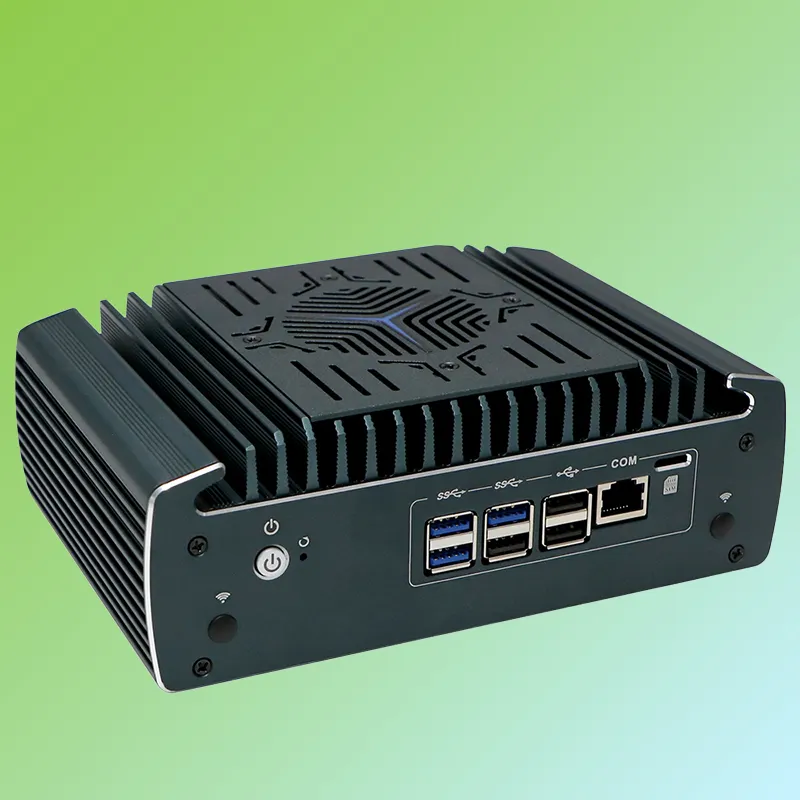
N3161
N3161 Firewall Micro Appliance Mini PC is Equipped with Core i3 1215U, i5 1235U ,i7 1255U processor, equipment Intel Iris Xe Graphics Display Chip...
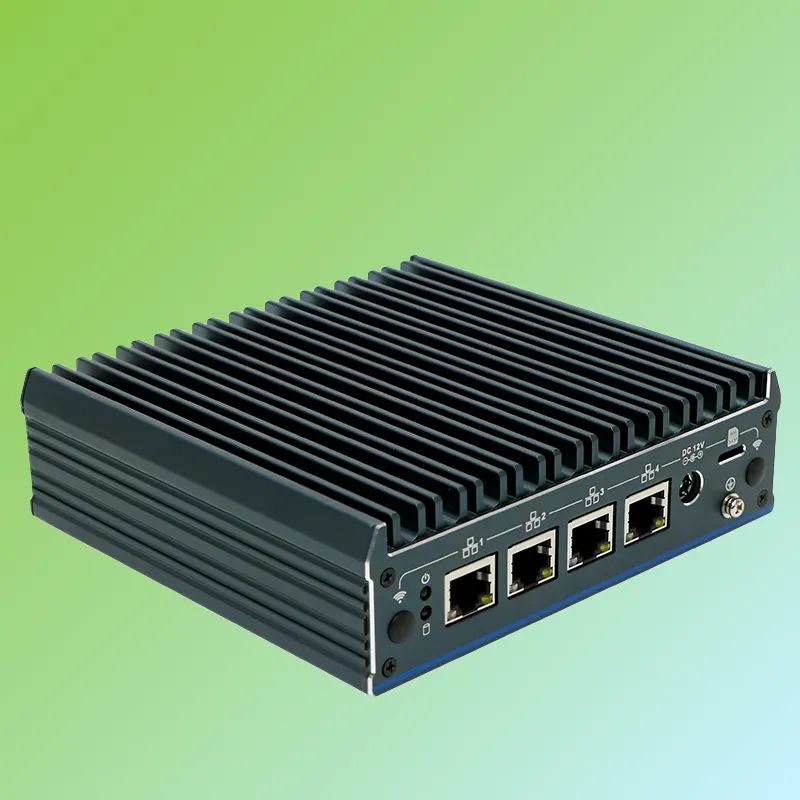
N1241
The N100 Firewall Router is a low-power device that is designed to provide networking and security services to small businesses and home users...
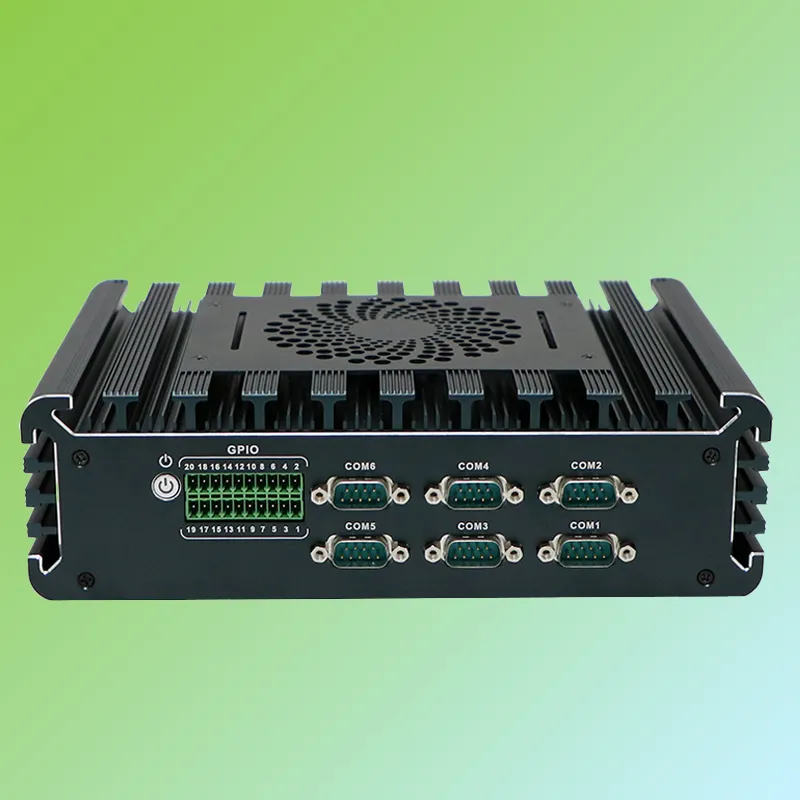
IBOX-3126
Product Details of Industrial Rugged Mini PC IWILL Reased IBOX-3126 Industrial Rugged Mini PC , Adopt Intel Tiger Lake Dual core processor to provide solutions…
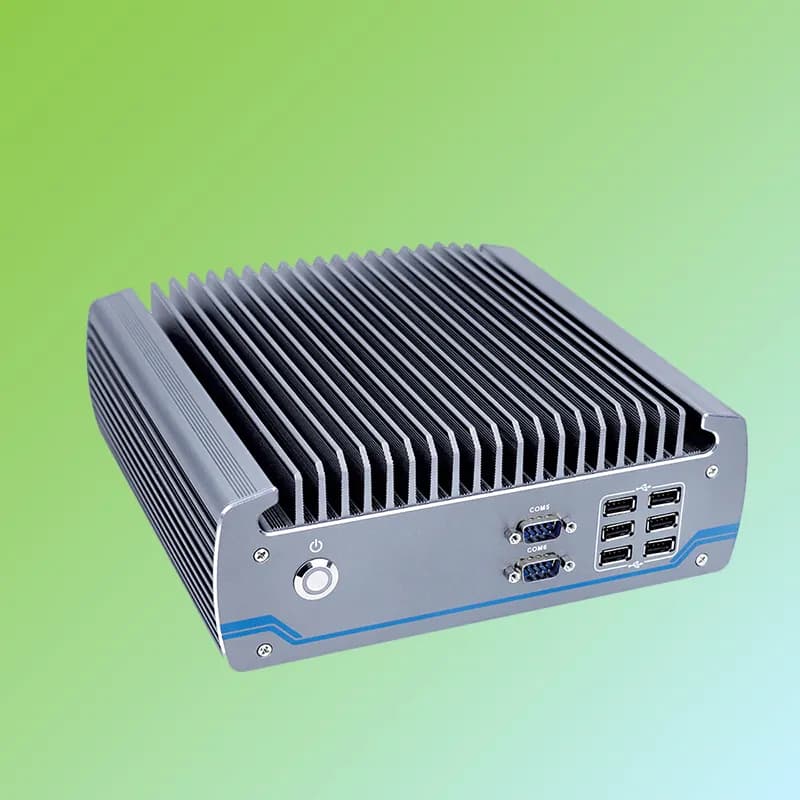
IBOX-605
The IBOX-605 is an fanless industrial pc with Intel® 6/7/8/9 generation Core™ i3/i5/i7 Processor , equipped with 2*DDR4 2133/2400 ram slot,Onboard Intel...
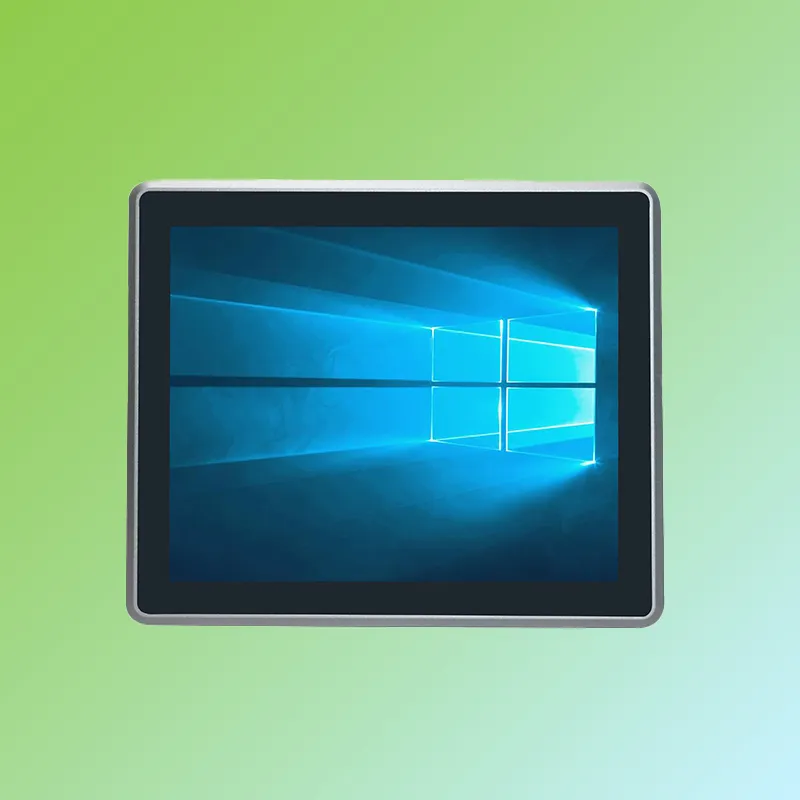
ITPC-A113
Die cast aluminum alloy moulding, fanless Industrial Panel PC; Onboard Intel Celeron J6412,4205U,i3,i5,i7 optional; Support 9V ~ 36V wide voltage...
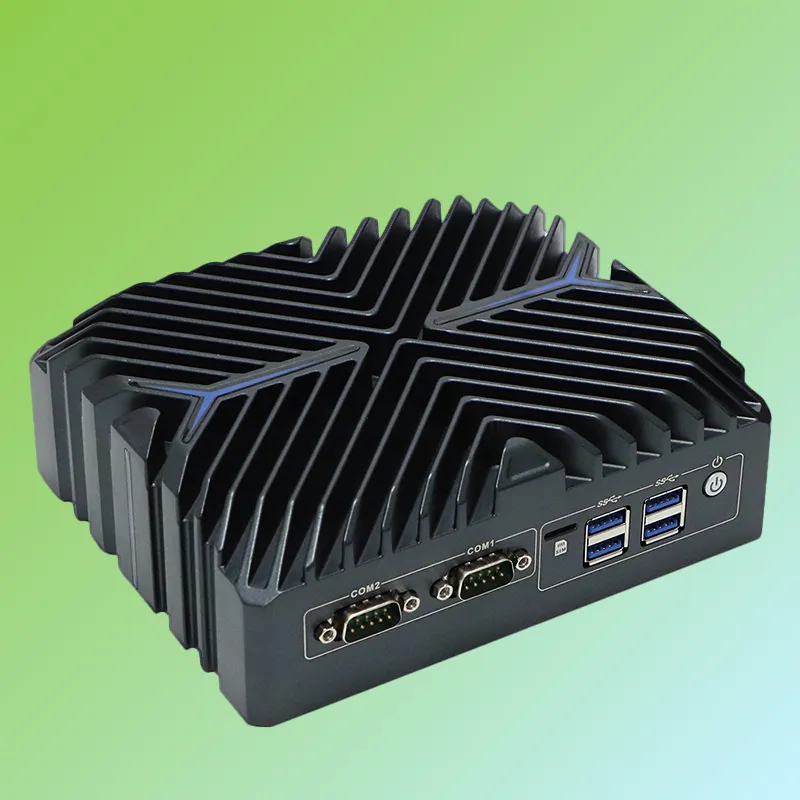
N3322
N3322 Equipped with High end Mini PC 12th generation Intel Core i3, i5, and i7 processors, the N3322 delivers efficient and responsive computing...
From the vehicle to the control centre
Each zone has its own role and trust boundary. That lets a site keep working during an outage and limits how far an incident can spread between sites.
| Zone | Role | IWILL model |
|---|---|---|
| 01 · Field / vehicle | Telemetry, serial devices and local processing, after a technical assessment | IBOX configuration + ITPC |
| 02 · Depot / branch | Separate VLANs, local edge gateway and optional mobile backup link | N1241 + IBOX-3126 |
| 03 · Secure transport | Encrypted VPN between sites, restricted vendor access, central rules | Firewall + VPN policies |
| 04 · Control centre | Segmentation, monitoring, logs and role-based access to operational systems | N3161 + HMI terminals |
- 01 · Field / vehicle
- RoleTelemetry, serial devices and local processing, after a technical assessment
- IWILL modelIBOX configuration + ITPC
- 02 · Depot / branch
- RoleSeparate VLANs, local edge gateway and optional mobile backup link
- IWILL modelN1241 + IBOX-3126
- 03 · Secure transport
- RoleEncrypted VPN between sites, restricted vendor access, central rules
- IWILL modelFirewall + VPN policies
- 04 · Control centre
- RoleSegmentation, monitoring, logs and role-based access to operational systems
- IWILL modelN3161 + HMI terminals
How the design supports OT cybersecurity controls
Segmentation and zones
Separate VLANs and firewall zones on N1241 / N3161.
Secure remote access
VPN, role-based rules and limited admin paths, plus temporary logged access for vendors.
Asset management and identities
Identified edge points with stable roles, and TPM 2.0 on confirmed configurations.
Operational continuity
Fanless hardware, watchdog, industrial SSD and local processing when the link is down.
Three starting configurations
Starting points for a technical discussion, not fixed bundles.
Protected depot
A standalone site with a clear boundary to headquarters and to legacy equipment.
- N1241 as firewall/VPN gateway
- IBOX-3126 for service and telemetry interfaces
- Separate VLANs for office, CCTV, Wi-Fi and operations
- VPN to headquarters and local storage of critical data
Multi-site operator
Central rules for many depots, branches and operating points.
- N3161 at headquarters
- N1241 in every depot or branch
- IBOX edge units at field equipment
- Central policies, monitoring and controlled remote access
Connected field system
A configuration after technical assessment — not a ready-made vehicle PC kit.
- An explicitly validated IBOX configuration
- ITPC-A113 or a similar operator panel
- Local processing and buffering of telemetry
- Mobile link and synchronisation with the control centre
Pilot before you scale
The safest approach is to prove the design at one real site before repeating it across the network.
Technical assessment
Environment, load, interfaces, power, software and critical operations.
Network map
Sites, assets, communication paths, vendors and current trust zones.
Configuration choice
Exact CPU, RAM, storage, LAN/COM, mobile connectivity and software stack.
Pilot with one or two units
Proof in a real environment without scaling too early.
Validation
Traffic, VPN, logs, failures, temperatures, power and support procedures.
Staged rollout
Configuration templates, inventory and change control, site by site.
Engineered for the chain, not the box
- 6× 2.5G
- LAN on N3161
- 6× COM
- serial ports on IBOX-3126
- IP65
- front of ITPC-A113
- TPM 2.0
- on confirmed configurations
This solution is not "certified" against any cybersecurity framework and does not guarantee compliance. IBOX-605 is not presented as a ready vehicle PC: its datasheet lists DC 9-36V only as an option and does not document ignition control, GPS or MIL-STD vibration certification. On-board use needs a separate technical assessment and a configuration confirmed in writing.
Frequently asked questions
Is every transport or logistics company in scope of OT cybersecurity rules?
No. Scope depends on the activity, the role of the organisation, its size and the applicable framework. Belonging to the transport sector alone is not enough to conclude that a framework applies.
Does this configuration make us compliant?
No. The hardware provides a foundation for segmentation, secure access, local processing and continuity. Compliance also depends on risk assessment, policies, software configuration, monitoring, training, vendor management and incident response.
Can the N1241 provide a 4G/5G backup link?
Yes, when configured with a suitable M.2 B-key mobile module, SIM, antennas and compatible software. It is an optional build and must be confirmed before ordering.
How do we connect old RS-232/RS-485 equipment?
IBOX-3126 has six COM ports, and COM1 and COM2 support RS-232/RS-485 mode. The protocol, wiring, isolation and driver still need to be checked for your specific equipment.
Can we start with a single depot?
Yes. We recommend a pilot with one or two units, validating the network map, VPN, logs and operational fall-back, before rolling out to the other sites.
Related solutions
Gulf Cybersecurity Frameworks
Fanless firewall and VPN appliances as a practical tool for the network controls in Gulf cybersecurity frameworks.
Read moreEdge Computing & IoT
Industrial IoT gateways and edge computers for smart cities, utilities, agriculture and remote telemetry.
Read moreVehicle & Fleet Telemetry
Compact edge computers for GPS, 4G telemetry and fleet management — configured after a technical assessment.
Read moreTransportation
Computing platforms for vehicle, fleet, rail and passenger-information projects.
Industry overviewStart with a map of your sites, not a shopping list
Describe your depots, vehicles and network links. An engineer will propose a starting architecture and validate the exact configuration before quoting.